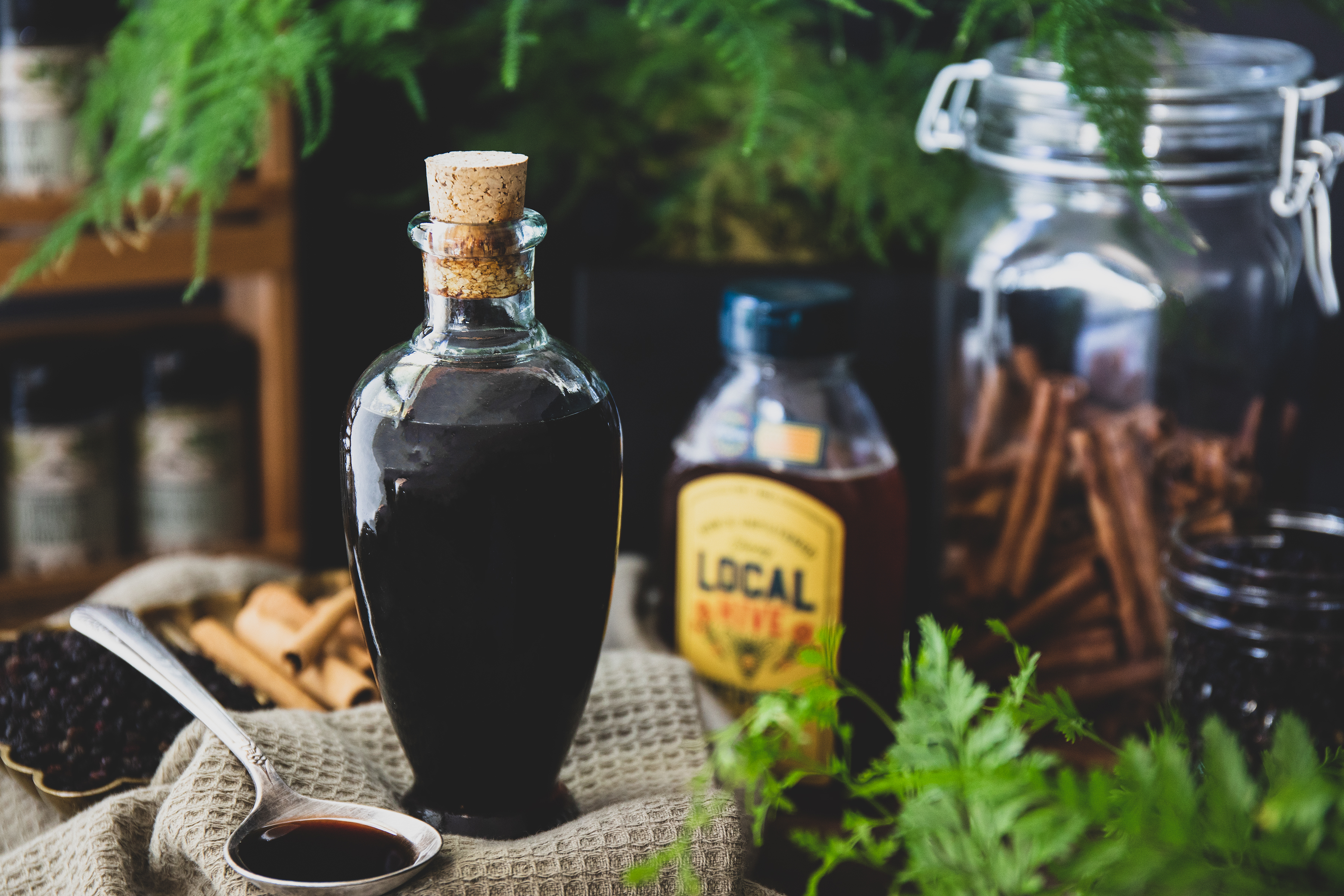
As the chill of autumn gives way to winter's embrace, many of us begin to think about bolstering our defenses against the inevitable onslaught of cold and flu season. While pharmaceutical options are always available, there's a growing movement towards natural, time-tested remedies that empower us to take wellness into our own hands. Among these, homemade elderberry syrup stands out as a true superstar – a potent, delicious, and remarkably simple concoction that has graced medicine cabinets for centuries. If you're looking for a natural way to support your immune system and ease seasonal discomfort, mastering an elderberry syrup recipe is an excellent place to start.
Embracing the Power of Elderberries: A Natural Immune Ally
The elderberry, specifically the European black elderberry (Sambucus nigra), holds a revered place in both traditional folklore and modern natural health circles. For hundreds of years, cultures across North America and Europe have turned to these deep purple berries for their significant medicinal properties. Today, scientific research continues to affirm what our ancestors instinctively knew: elderberries are a powerhouse for immune support.
What makes elderberries so special? They are absolutely brimming with beneficial compounds, including:
- Antioxidants: These vital molecules combat oxidative stress in the body, which can damage cells and contribute to various ailments. Elderberries are particularly rich in anthocyanins, which give them their characteristic dark color and powerful antioxidant punch.
- Vitamin C: A cornerstone of immune health, Vitamin C is essential for the proper functioning of various immune cells and the body's overall defense system.
- Antiviral Properties: Several studies suggest that elderberry extract may have direct antiviral effects, particularly against certain strains of the influenza virus. This means it might not only help to shorten the duration and severity of flu symptoms but also potentially prevent infection.
Beyond flu relief, many individuals incorporate elderberry syrup into their daily routine during colder months simply as a proactive measure for general immune support. It's a gentle yet effective way to give your body a little extra help when it needs it most.
Crafting Your Own: The Benefits of Homemade Elderberry Syrup
While store-bought elderberry extracts and syrups are readily available, making your own homemade elderberry syrup offers a multitude of advantages that go beyond just the satisfaction of DIY. It truly is the "holy grail" for those seeking pure, potent, and cost-effective natural remedies.
Quality Control & Purity: When you make elderberry syrup at home, you have complete control over every single ingredient. This means:
- No Unwanted Additives: Many commercial syrups contain fillers, artificial flavors, high-fructose corn syrup, or preservatives that you might prefer to avoid. Your homemade version will be free from these.
- Optimized Sweeteners: You can choose high-quality raw honey, which itself offers additional immune-boosting, antibacterial, and soothing properties. For a vegan alternative, pure maple syrup is an excellent choice. This allows you to tailor the sweetness and avoid refined sugars.
- Potency: Concentrated homemade syrup often provides a more potent dose of elderberry goodness compared to diluted commercial options.
Cost Savings: Let's be honest, high-quality elderberry supplements can be expensive. By purchasing dried elderberries in bulk (or even foraging your own if you know how!), you can produce a significant amount of syrup for a fraction of the cost of retail versions. This makes consistent immune support far more accessible for your family.
The Ritual of Wellness: There's a certain meditative quality to simmering elderberries on the stove. The deep purple color, the comforting aroma of ginger and cinnamon filling your kitchen – it's a simple act, but it feels intentional and deeply nurturing. It connects you more intimately to the process of self-care and herbal remedies.
Sourcing Your Elderberries & Essential Preparation Tips
Whether you opt for fresh or dried elderberries, proper sourcing and preparation are key to a safe and effective syrup. The choice often comes down to availability and convenience.
Using Fresh Elderberries (Sambucus nigra)
If you're lucky enough to have access to elderberry plants, either in your garden or through wild foraging, here are vital considerations:
- Identification is Crucial: Always be 100% sure you are harvesting Sambucus nigra (black elderberry). Other elderberry varieties exist, some of which are not suitable for consumption. Look for clusters of deep purple-black berries that hang heavily. Avoid green or red unripe berries.
- Remove Stems, Leaves, and Seeds: This is a non-negotiable safety step. Elderberry stems, leaves, and seeds contain cyanogenic glycosides, which can be toxic if consumed in large quantities. Carefully strip the berries from the stems before cooking. A fork can be a useful tool for this.
- Worms (Oh My!): It's not uncommon to find tiny white worms within fresh elderberry clusters, especially if they are very ripe. Don't be alarmed! To remove them, soak your berries in a large bowl of cold water with a small amount of salt for 20-30 minutes. The worms typically float to the top, allowing you to skim them off before rinsing the berries thoroughly in fresh cold water.
- Storage: Fresh elderberries don't keep long. If you can't use them immediately, spread them in a single layer on a baking sheet and freeze. Once frozen solid, transfer them to a freezer-safe bag for later use.
Using Dried Elderberries
For most people, dried elderberries offer the most convenient and year-round solution. They are readily available online or at natural health stores and have an excellent shelf life. Just ensure they are organic and of high quality.
Important Note: This elderberry syrup recipe uses a more concentrated ratio for dried berries (1 cup dried berries to 4 cups water) to maximize potency, which is often preferable for immune support.
Your Go-To Homemade Elderberry Syrup Recipe
This recipe provides a warming, delicious, and potent elderberry syrup that's easy to make from scratch in about 30 minutes of active time. It's designed to be highly effective and infused with comforting spices.
Ingredients You'll Need:
- 1 cup dried elderberries (or 2 cups fresh elderberries, stems removed)
- 4 cups filtered water
- 1 cinnamon stick (or 1 teaspoon dried ground cinnamon)
- 4-6 whole cloves
- 1 tablespoon fresh ginger, thinly sliced (or 1 teaspoon dried ground ginger)
- 1 cup raw honey (for immune benefits, add once the mixture has cooled below 110°F/43°C, or swap with maple syrup for a vegan version)
Step-by-Step Instructions:
- Combine & Simmer: In a medium saucepan, combine the elderberries, water, cinnamon stick, whole cloves, and fresh ginger. Bring the mixture to a boil, then reduce the heat to a simmer.
- Reduce: Allow the mixture to gently simmer for 30-45 minutes, or until the liquid has reduced by about half. You should be left with approximately 2 cups of liquid. The aroma filling your kitchen will be delightful!
- Cool & Strain: Remove the saucepan from the heat and let the mixture cool significantly. Once it's cool enough to handle (warm, but not hot), place a fine-mesh sieve over a large bowl and pour the elderberry mixture through it. Use the back of a spoon to press down on the berries and extract as much liquid as possible. Discard the spent berries and spices.
- Add Sweetener: Once the liquid has cooled to lukewarm (below 110°F/43°C if using raw honey to preserve its beneficial enzymes), stir in the raw honey until it is fully dissolved. If using maple syrup, it can be added at any temperature.
- Store: Pour the finished elderberry syrup into a clean, airtight glass jar or bottle.
Enjoying & Storing Your Immune-Boosting Elixir
Once your homemade elderberry syrup is ready, the fun begins! Here’s how to best incorporate it into your wellness routine and ensure its longevity.
Usage & Dosage:
While there are no universally standardized dosages for homemade elderberry syrup, common recommendations for general immune support include:
- Adults: 1 tablespoon daily
- Children (over 1 year old): 1 teaspoon daily
During acute illness, some people choose to take the suggested dose 2-3 times a day. Always consult with your healthcare provider before starting any new supplement, especially for children, pregnant or nursing individuals, or those with underlying health conditions.
Delicious Ways to Enjoy Your Syrup:
- Straight Up: Many find the spiced, fruity flavor pleasant enough to take by the spoonful.
- In Tea: Stir a spoonful into a warm cup of herbal tea for an extra layer of comfort and immune support. For max benefits from raw honey, allow your tea to cool slightly before adding.
- With Water: Mix into a glass of sparkling or still water for a refreshing and healthy beverage.
- Smoothies: Add a splash to your morning smoothie for a nutrient boost.
- Yogurt or Oatmeal: Drizzle over plain yogurt, oatmeal, or even pancakes for a flavorful twist.
Storage & Shelf Life:
Store your homemade elderberry syrup in an airtight container in the refrigerator. Due to the high sugar content from the honey or maple syrup, it typically lasts for 3-4 weeks. If you notice any signs of mold, off-smell, or unusual discoloration, it's best to discard it.
For longer storage, you can freeze elderberry syrup in ice cube trays. Once frozen, transfer the cubes to a freezer-safe bag. Thaw individual cubes as needed for a convenient dose.
Making your own elderberry syrup is more than just a recipe; it's an investment in your family's health and a connection to ancient wisdom. With just a few simple ingredients and a little time, you can create a potent, delicious, and natural ally to help navigate flu season with confidence. Embrace the intentionality, savor the process, and enjoy the immune-boosting benefits of this remarkable homemade remedy.
