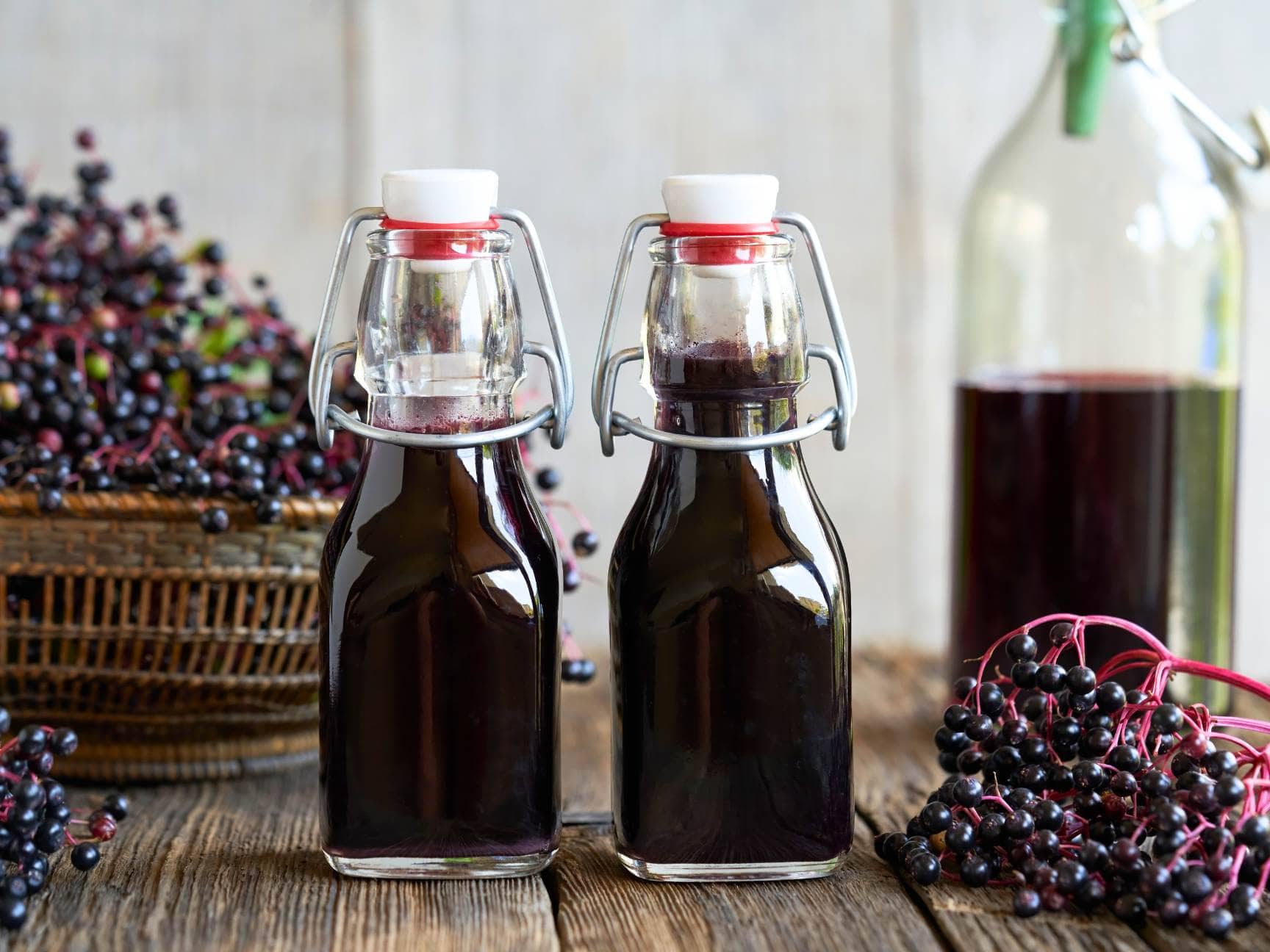
DIY Elderberry Syrup: Your Comprehensive Guide to a Potent Natural Remedy
In the quest for natural wellness, few remedies stand as tall as elderberry syrup. A time-honored concoction, this vibrant elixir has graced medicine cabinets for centuries, revered for its remarkable ability to bolster the immune system and fend off seasonal ailments. If you're looking for a simple, cost-effective, and deeply rewarding way to support your family's health, learning an easy elderberry syrup recipe is an absolute game-changer. Forget store-bought extracts; this guide will walk you through crafting your own powerful syrup using either fresh or dried elderberries, bringing ancient wisdom right into your kitchen.
Elderberries, specifically Sambucus nigra or black elderberries, are packed with a formidable arsenal of antioxidants and vitamin C, making them a true "holy grail" in the world of natural health. From easing flu symptoms and sore throats to providing daily immune support during the colder months, the medicinal value of elderberries is undeniable. The good news? You can easily harness these benefits at home with just a few simple ingredients and a little love. Let's dive in and discover how to make this delicious and effective herbal remedy.
Why Make Your Own Elderberry Syrup? The Benefits Unpacked
The decision to whip up your own batch of elderberry syrup goes beyond mere frugality, though saving money compared to pricey store-bought versions is certainly a significant perk. (Save Money: Make Your Own Elderberry Syrup for Health). When you prepare this potent remedy yourself, you gain complete control over the quality and purity of your ingredients, ensuring there are no hidden additives or artificial sweeteners. This transparency is invaluable, especially when creating something intended to boost health.
But the advantages extend much further. Elderberries are celebrated for their incredible health-supporting properties:
- Immune System Support: Regular consumption can help fortify your body's natural defenses, making it a wonderful addition to your daily routine, particularly as seasons change or during times of stress.
- Antiviral Properties: Studies suggest elderberries can help ease the duration and severity of cold and flu symptoms, offering a gentle yet effective alternative for seasonal sniffles and coughs. They are often relied upon for their ability to combat various viral strains, making them a popular choice for flu season. (Homemade Elderberry Syrup: Immune Boost for Flu Season)
- Rich in Antioxidants: These dark berries are brimming with powerful antioxidants, which combat free radicals in the body, contributing to overall cellular health and reducing oxidative stress.
- High Vitamin C Content: A natural source of vitamin C, elderberries further contribute to immune function and general well-being, aiding in everything from skin health to iron absorption.
Beyond the impressive nutritional profile, there's a certain satisfaction that comes from creating your own herbal remedies. The quiet rhythm of stirring a pot of elderberries, infused with warming spices like cinnamon and ginger, offers a simple yet profound connection to nature's healing power. It's an intentional act of self-care, building a foundation of wellness from scratch.
Sourcing Your Elderberries: Fresh vs. Dried
The versatility of an elderberry syrup recipe lies in its adaptability to use either fresh or dried elderberries. Each option presents its own set of considerations, from harvesting to storage.
Working with Fresh Elderberries
If you have access to an elderberry plant, or enjoy wild foraging, using fresh berries can be a deeply rewarding experience. Look for Sambucus nigra, identifiable by their deep purple-black clusters that hang heavily from the branches, typically ripening in late summer. Avoid any green or red berries, as these are unripe and should not be consumed.
Important Safety Considerations: Elderberry stems, leaves, and seeds contain cyanogenic glycosides, which can be toxic if consumed in large quantities. It is absolutely crucial to strip the berries gently from their stems before cooking. A fork can be a helpful tool for this task.
Dealing with Pests: It's not uncommon to find tiny white worms within the clusters of fresh elderberries, especially if they are overripe. While harmless, most prefer to remove them. A simple and effective method is to soak your berries in a large bowl of cold water with a small amount of salt (about 1 tablespoon per quart of water) for 20-30 minutes. The worms will typically float to the top, allowing you to skim them off before rinsing the berries thoroughly in fresh cold water.
Storage for Fresh Berries: Fresh elderberries don't keep long at room temperature. If you can't use them immediately, spread them in a single layer on a baking sheet and freeze. Once frozen solid, transfer them to a freezer-safe bag or container, where they will keep for several months until you're ready to make your syrup.
The Convenience of Dried Elderberries
For those without direct access to fresh plants, or who simply prefer an easier option, dried elderberries are an excellent choice. They are readily available at health food stores, herbal suppliers, or online. Dried berries offer incredible convenience, boast a significantly longer shelf life, and require no immediate processing like stem removal or pest inspection, as these steps are typically handled during their commercial preparation.
When using dried elderberries in your elderberry syrup recipe, remember the general conversion rule: 1 cup of dried elderberries is roughly equivalent to 2 cups of fresh elderberries. This means a little goes a long way, making them a very economical option for year-round immune support.
Your Easy DIY Elderberry Syrup Recipe
This concentrated elderberry syrup recipe is designed for maximum potency and ease, featuring warming spices that enhance its flavor and additional health benefits. It typically takes about 30 minutes of active time to prepare.
Ingredients You'll Need:
- 1 cup dried elderberries (or 2 cups fresh elderberries, stems completely removed)
- 4 cups filtered water
- 1 organic cinnamon stick (or 1 teaspoon ground cinnamon)
- 4-6 whole cloves
- 1 tablespoon fresh ginger, thinly sliced (or 1 teaspoon dried ginger powder)
- 1 cup raw honey (or pure maple syrup for a vegan option)
Step-by-Step Instructions:
- Combine & Simmer: In a medium saucepan, combine the elderberries (fresh or dried), filtered water, cinnamon stick, whole cloves, and fresh ginger slices.
- Bring to a Boil: Bring the mixture to a gentle boil over medium-high heat.
- Reduce & Simmer: Once boiling, reduce the heat to low, cover, and let it simmer for about 45 minutes to an hour. The liquid should reduce by roughly half, and the berries will soften considerably.
- Mash the Berries: Remove the pot from the heat. Using a potato masher or the back of a spoon, gently mash the elderberries to extract as much liquid and beneficial compounds as possible.
- Strain the Mixture: Place a fine-mesh sieve or a colander lined with cheesecloth over a large bowl. Pour the elderberry mixture into the sieve, allowing the liquid to drain through. Press down firmly on the solids to extract every last drop of the precious syrup. Discard the spent elderberry pulp and spices.
- Cool Completely: Allow the strained elderberry liquid to cool completely to room temperature. This step is crucial if you are using raw honey, as heating raw honey can diminish its beneficial enzymes and properties.
- Add Sweetener: Once cooled, stir in the raw honey or maple syrup until fully dissolved. Taste and adjust sweetness if desired.
- Bottle & Store: Pour your homemade elderberry syrup into a clean, airtight glass jar or bottle.
Tips for Enjoying and Storing Your Homemade Syrup
Once you've mastered the elderberry syrup recipe, knowing how to best use and preserve it will ensure you get maximum benefit from your efforts.
How to Enjoy Your Elderberry Syrup:
The beauty of homemade elderberry syrup is its versatility. You can take it straight, or get creative:
- Straight for Daily Support: A common dose for daily immune support is 1 teaspoon for children and 1 tablespoon for adults. When feeling unwell or during peak flu season, some people increase this to 3-4 times a day, though it's always wise to consult a healthcare professional for personalized advice.
- In Hot Beverages: Stir a spoonful into a mug of hot water or herbal tea for a comforting, soothing drink, especially good for sore throats.
- Preserving Raw Honey Benefits: If using raw honey, stir your syrup into a cold tea or cool water to maintain the integrity of honey's beneficial enzymes.
- Culinary Uses: Get creative! Drizzle it over yogurt, oatmeal, pancakes, or ice cream. Mix it into sparkling water for a refreshing and healthy tonic, or even incorporate it into smoothie recipes.
Storing Your Homemade Elderberry Syrup:
Proper storage is key to extending the life of your natural remedy:
- Refrigeration: Always store your elderberry syrup in an airtight container in the refrigerator. Due to the natural ingredients and lack of preservatives, it typically lasts for about 3-4 weeks.
- Freezing for Extended Shelf Life: For longer storage, you can freeze elderberry syrup. Pour it into ice cube trays, freeze until solid, then transfer the cubes to a freezer-safe bag or container. This allows you to thaw small, single-serving portions as needed. Frozen elderberry syrup can last for up to 6 months.
Conclusion
Making your own elderberry syrup is a profoundly empowering and incredibly simple endeavor. This natural remedy, steeped in history and brimming with immune-boosting properties, offers a fantastic way to take proactive steps towards a healthier, more resilient you. Whether you choose the foraging adventure of fresh elderberries or the convenience of dried, this easy elderberry syrup recipe provides a delicious, effective, and economical alternative to store-bought options. Embrace the power of nature and the satisfaction of DIY herbalism – your immune system will thank you!
